
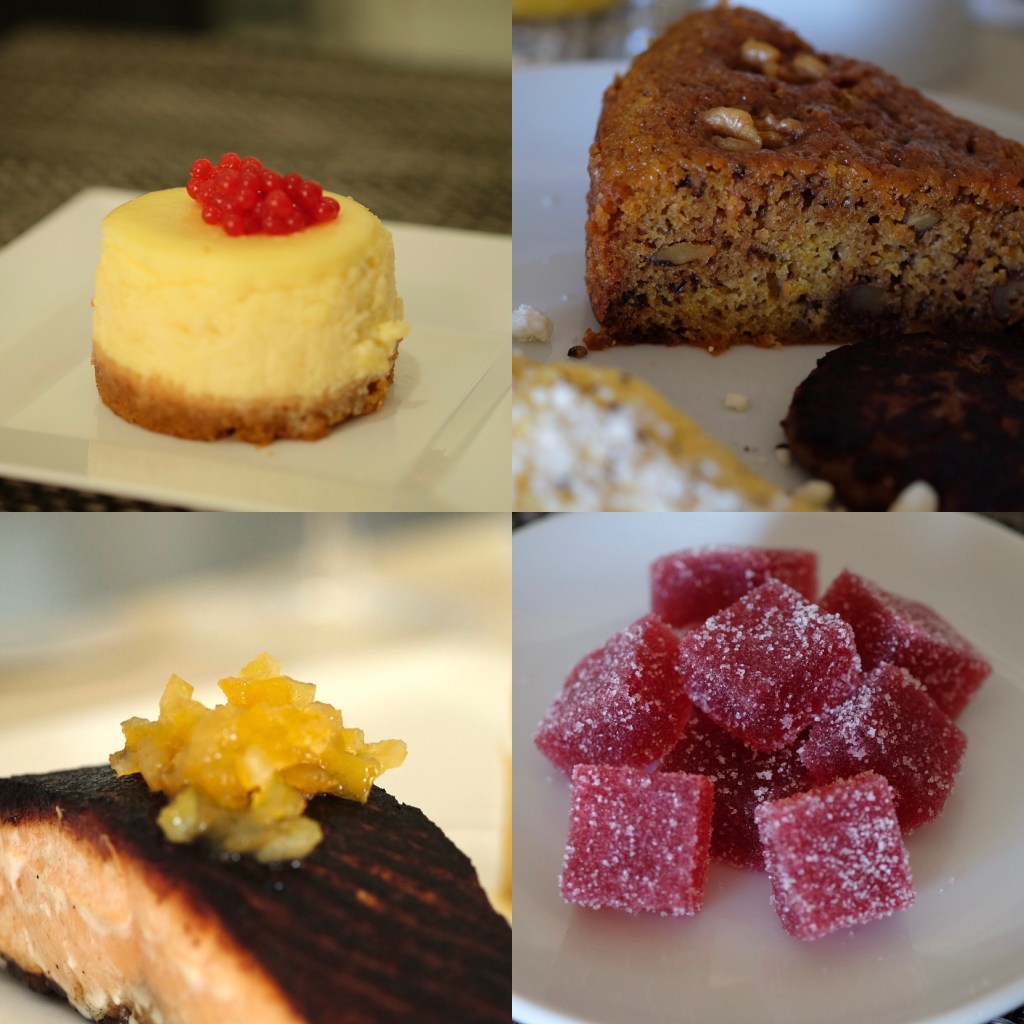
This post is for everyone who ever had, or wanted, a chemistry set. It’s not about turning lead into gold, but it is about turning raspberries into caviar, and other ‘magical’ transformations. The Sorcerer’s Apprentice can move over!!!
Caviar:
To be honest, what we’re talking about here isn’t the fish roe that started it all. It’s a visual approximation, but can carry as much impact as the fishy original.
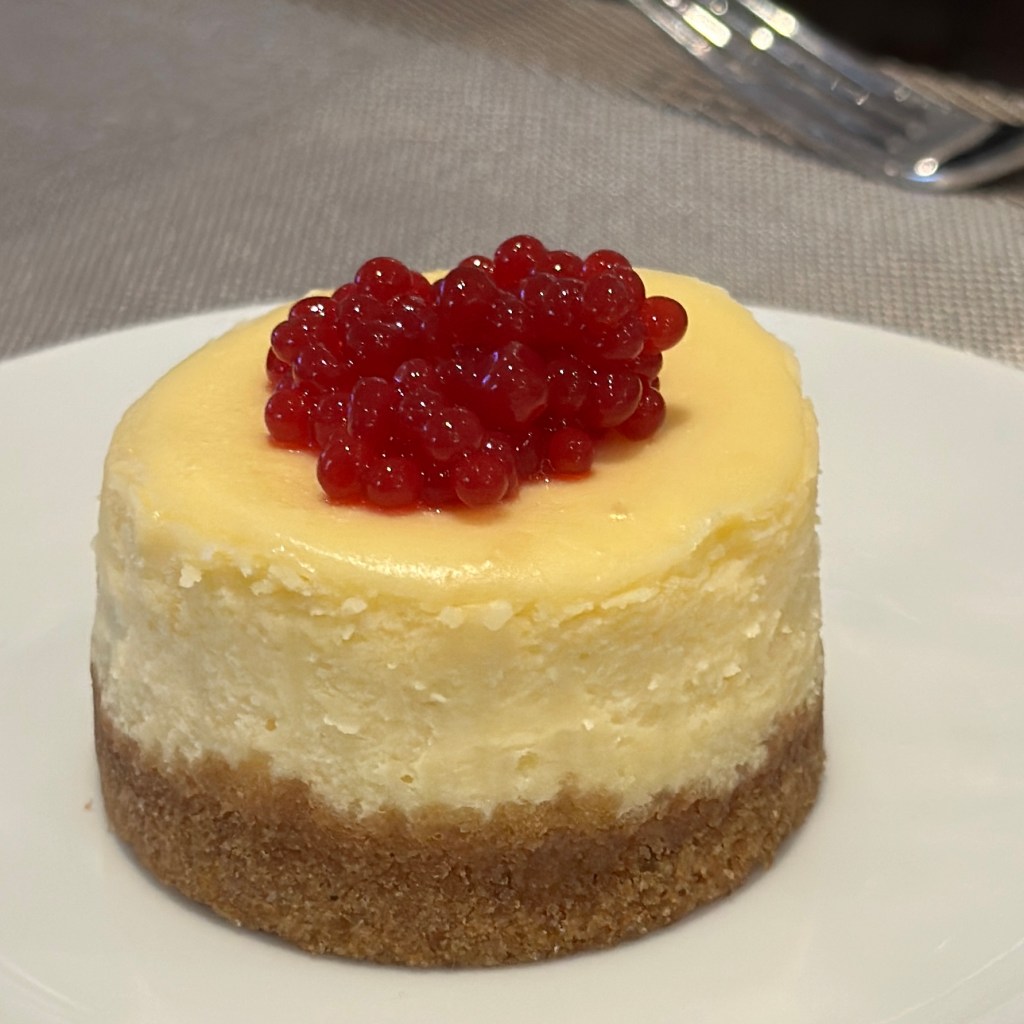
I’m a big fan of lemon and raspberry, so could not resist the idea of a bump of Raspberry Caviar on an individual lemon cheesecake. Yes, this cheesecake presentation takes a special pan, but you can get the same impact by putting Raspberry Caviar on an individual slice cut from a traditional cheesecake.
My basic cheesecake recipe is here. I adapted it by using graham crackers for the crust, 4 packages of cream cheese (and did not use the mascarpone), and before I put the sugar in the cheesecake, I added the zest of two lemons, rubbing the sugar and zest together to bring out more oils to enhance the lemon flavor. And I added the juice from one of the lemons for some added oomph!
The real beauty of the Raspberry Caviar recipe is how easy it is to make it with other favorite fruits and berries; you just have to make a usable puree first. The caviar can be served as a bump (as pictured), or can be scattered on top of ice cream (lemon sherbet?) or, say, a fruit salad, adding an additional layer of flavor. Think a salad of sliced peaches, maybe some feta or mozzarella, and with a generous sprinkling of raspberry caviar to top it off. If you like Peach Melba, you’re on the right path. Champagne optional!!!
Cake:
There are a lot of cakes, and cake ideas, out there. Primarily, I’m attracted to cakes that work from sunrise to sunset.
This Orange Walnut Cake checks all the boxes. It’s tasty, moist, easy, and seizes the day, whether at breakfast (toasted, even), brunch, tea time, or dinner. My kinda cake. With the zest of two oranges and some orange juice, if you like oranges, it’s for you. Not a walnut fan? Pecans work as well. Maybe even pistachios.
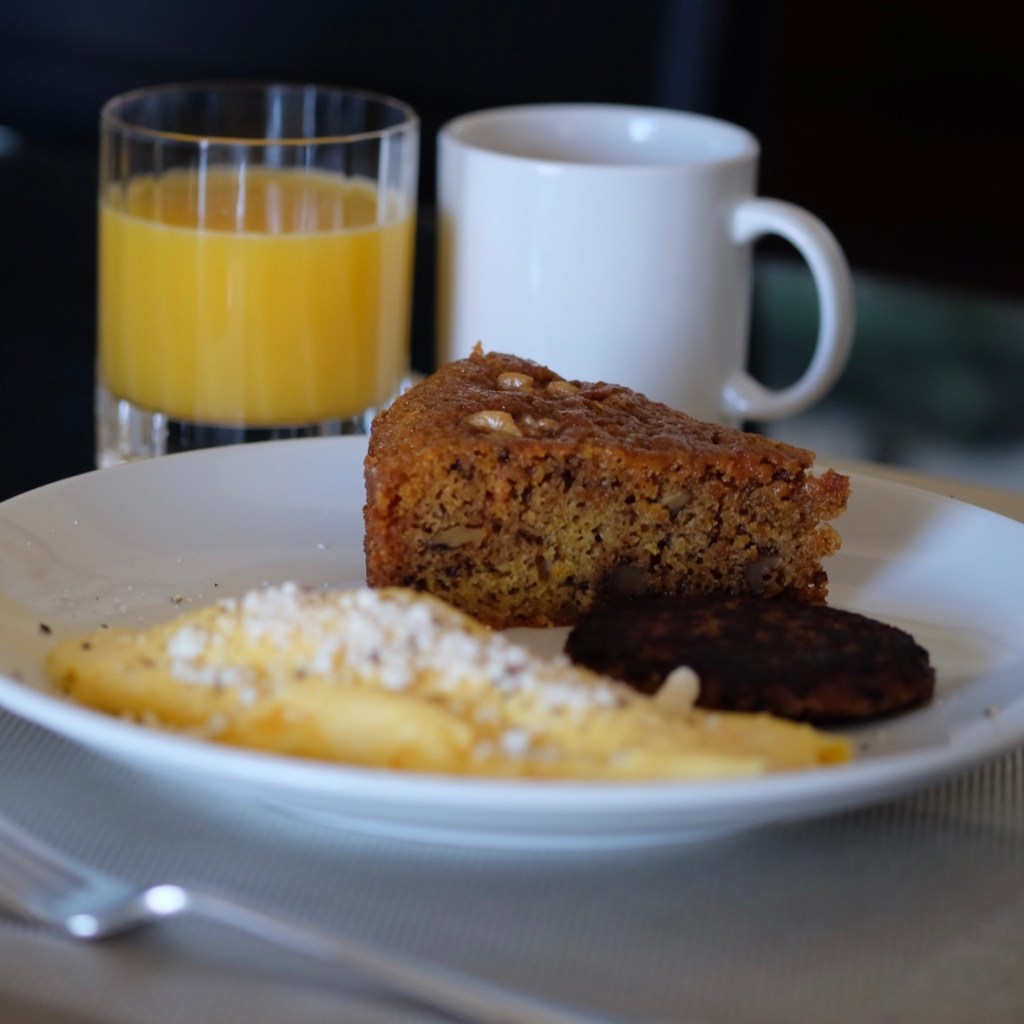
Oh, and if you’re wondering where the alchemy comes in, let me share the research I once did when pondering the difference between baking and roasting. You bake a cake because you want the heat and time in the oven to cause the chemical reaction that turns all the ingredients into one beautiful, homogeneous batch of goodness. On the other hand, you roast vegetables, because you are not expecting any real change in what you’re roasting; just getting it hot and crisp, or hot and soft. Spoiler alert! A baked potato is really roasted!
Confit:
One of the chefs I really enjoy following on Instagram is Jules Wiringa. I could never imagine having the amount of specialized equipment he does, but his ideas are always inspirational, and I find that many are easily replicated by us amateurs.
Lemons are a favorite ingredient of mine, and when Jules recently demonstrated Lemon Peel Confit, I wasn’t to rest until I had tried it. It’s lemony tart, but not too much so, and despite having some sugar in it, it’s not really sweet. A perfect balance. And imagine the uses!!!
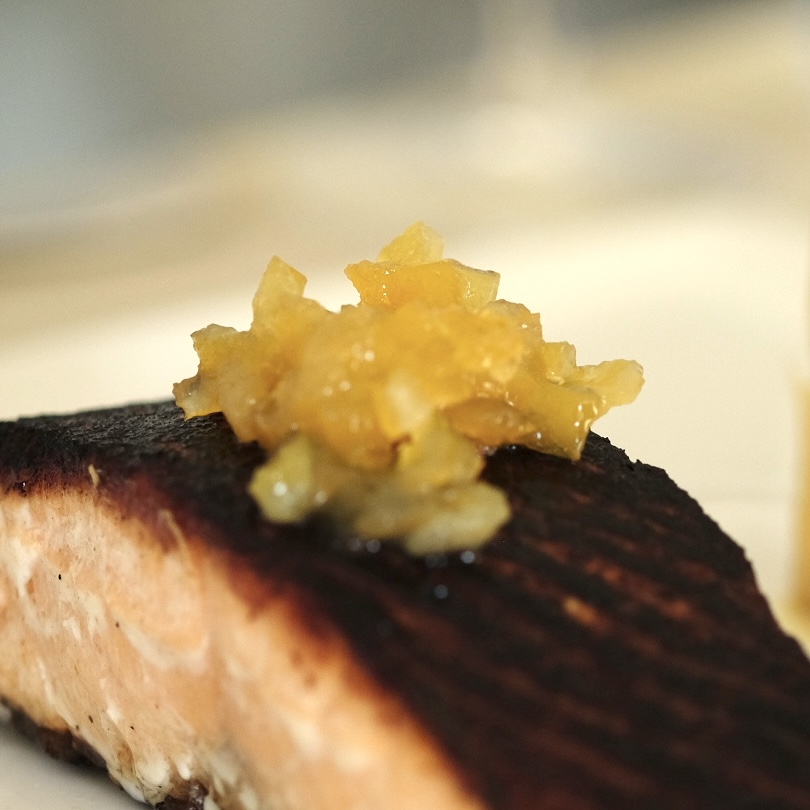
It’s no secret that I like salmon, and among the many ways it can be prepared, a favorite is pan seared with some honey or agave nectar brushed on the presentation side before putting it in the pan (I always do the presentation side first). The slight hint of sweetness from the glaze is the perfect welcome mat for a dollop of Lemon Peel Confit.
For the tutorial that piqued my interest, go here.
Confit was originally the process whereby a meat was slow-cooked in its own fat as a form of preservation. Think duck confit. Over the years, however, confit has evolved to mean any process in which something is cooked low and slow in fat, oil, or even sugar water (as is the case with Lemon Peel Confit). Confit (pronounced con-fee) is also proof positive that English is not the only language that confuses its users with silent letters. So, there!!!
Candy:
For the most part, I’ve avoided trying to make candies. Candy can be quite persnickety, and sometimes there’s no alternative use for a failure. Then I decided to try my hand at Pate de Fruit, a somewhat lighter take on the traditional gum drop. I know you’ve seen them.
Raspberries to the front!!! You’re gonna need to invest in some special ingredients, but if you tackle this and it works, you’ll be patting yourself on the back ’til your arm hurts. The linked recipe is for raspberry Pate de Fruit, but other fruit purees work as well. You’ll just need to play the role of mad scientist and adjust the amount of pectin. Lab coat optional.
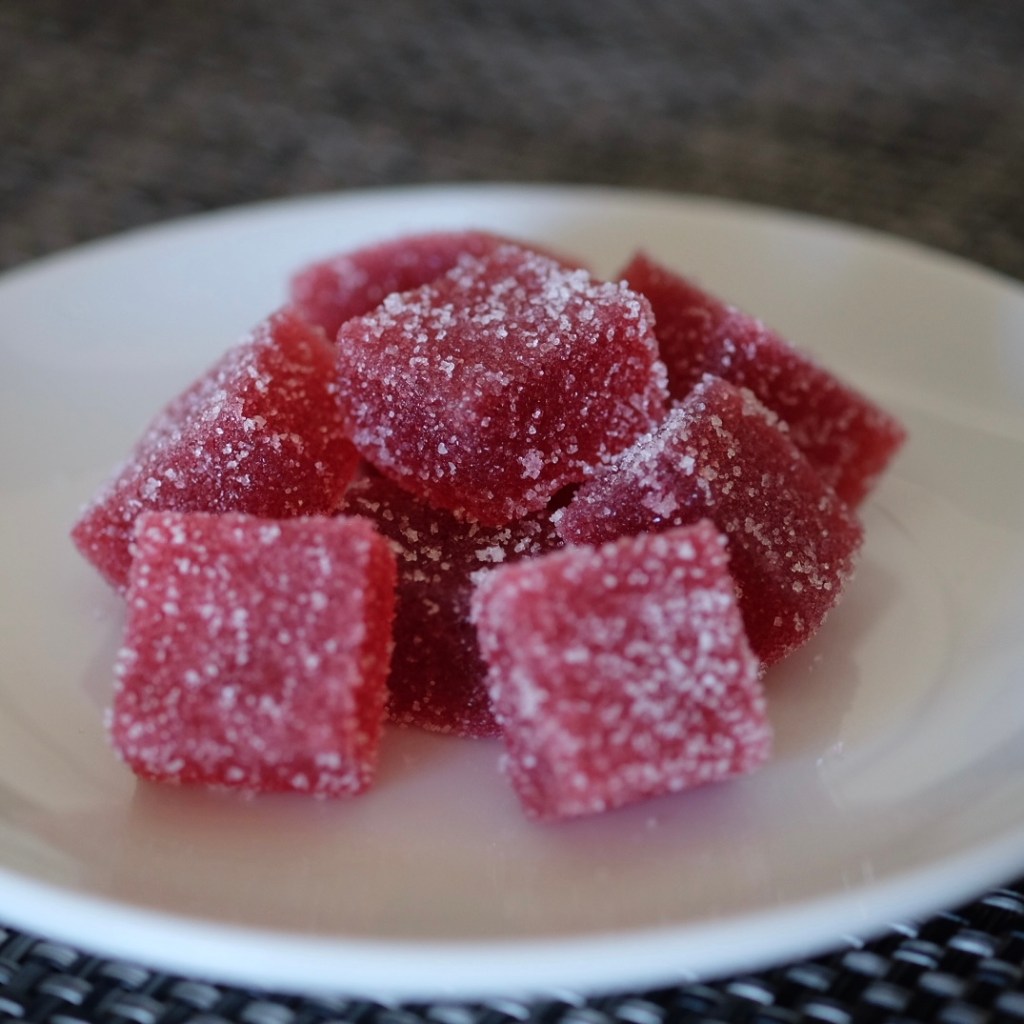
While not so true of the cake, the caviar, confit, and pate de fruit are something that not only have multiple applications, but also keep well, whether in the fridge (caviar and confit) or lightly covered on a plate (pate de fruit). Keeping them on hand, you’ll find more uses than you’d probably imagine. You know, “I bet this would tast great with a bit of _____!”
Don’t be afraid. Enjoy the lab experiments!!!


 never 2 old 2 start cooking
Leave a reply to Sharall Grissen Cancel reply